
Renting in Guanacaste: From Vacation Stays to Long-Term Leases
Good news: rentals are easy to come by in Guanacaste. Whether you're coming for a week or settling in for a year, here's how renting works, and why renting first is one of the smartest steps you can take before you buy.
October 2026 · 4 min read · Guanacaste Starter Series
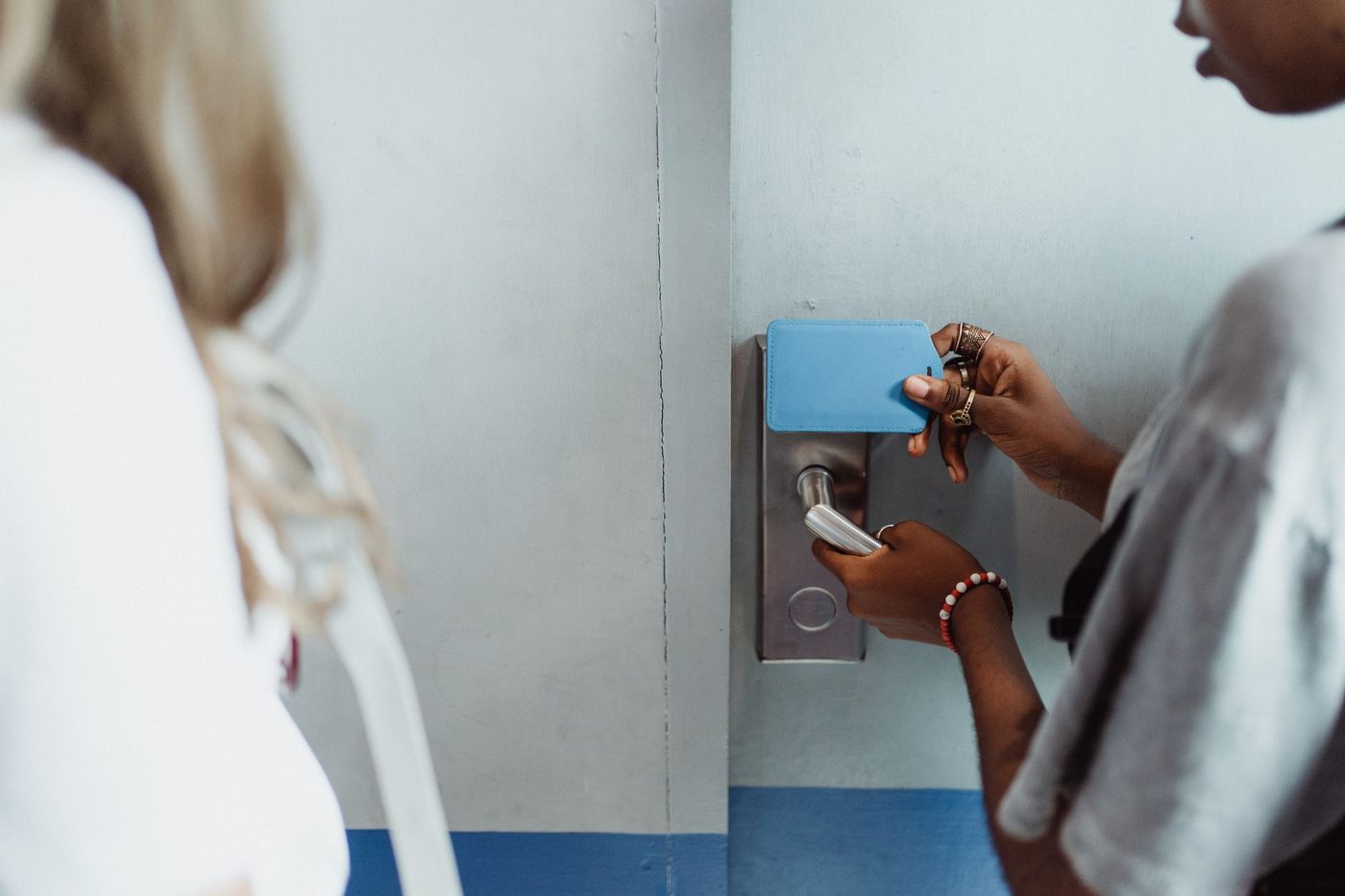
Choose your rental length
Properties here can be rented for almost any length of stay. Stays from a few nights to a full year are all common.
- Short stays (Airbnb and similar): Designed for vacation periods, from a few nights to a few weeks. Quick and easy to book online.
- Mid-term (3 to 6 months): Often arranged off Airbnb through a private property management company. A great fit for a full high season or an extended trial run.
- Long-term (a year or longer): The best way to live like a local, with the most stable monthly cost.
Know the rules before you sign
Costa Rica's General Law of Urban and Suburban Leases (Ley General de Arrendamientos Urbanos y Suburbanos) sets a three-year minimum term for housing leases. That minimum applies even when a contract lists a shorter term. In practice, many leases run 12 months or month-to-month, and shorter stays are sometimes arranged as temporary rental agreements.
Because the rules have real consequences for both sides, have a Costa Rican attorney review any long-term lease before you sign.
Moving in, step by step
- Bring your passport. It's usually all a landlord needs, though some may ask for proof of income.
- Pay the deposit. One month's rent is typical. Make sure the lease spells out how and when the deposit will be returned, since unreturned deposits are the most common tenant complaint.
- Check the currency. If your lease is priced in U.S. dollars, the rent stays the same for the full term. A lease priced in colones can rise each year with inflation.
- Confirm what's included. Rentals can be fully furnished or unfurnished. If it's furnished, ask for a list of what's provided.
- Document the condition. Walk through the property and take photos of every room and item on move-in day. It protects you and your deposit when you move out.
Who pays for what
Every property is different, but here's how costs are generally split:
- The renter usually pays: water and power (electricity).
- The owner usually pays: Wi-Fi, grounds keeping and pool maintenance.
Always confirm the split in writing before you sign. A quick tip: running the air conditioning often can push your power bill up sharply, so ask the owner or manager what past bills have looked like.
Rent first, buy with confidence
Renting is the best way to get to know Guanacaste before you commit. A few months in a town shows you the neighborhoods, the drive to the grocery store, the feel of the dry and green seasons, and whether the community is the right fit. When you're ready to buy, you'll know exactly where you want to be. Here's how buying property works in Costa Rica.
Next up in Part 3, we'll tour Guanacaste's beach towns and what makes each one different.
Are you thinking about renting first, or are you ready to start looking at homes to buy? Send me your plans or your questions on WhatsApp. I'd love to help you find your fit.
Ready to start looking? Browse current listings at Expat Properties.
— Emey Kolb
Sources
- Three-year minimum term: Teletica, What every tenant should know before renting in Costa Rica (Mar 2026)
- Deposits and dollar vs. colón leases: CostaRicaLaw, Decoding Costa Rica's rental laws
- Lease lengths, documents, furnished rentals and A/C costs: Wise, Renting in Costa Rica as an American
- Rental lengths, property management terms and who pays for what: local experience in Playas del Coco